What to Do When Your Baby Has a Temperature: Step-by-Step Guide
Step 1: Take Their Temperature
Before anything else, get an accurate reading. The method matters.
Best Thermometers for Babies
- Digital ear thermometer - Quick and reliable for babies over 6 months
- Forehead (temporal artery) thermometer - Good for any age, non-invasive
- Digital underarm thermometer - Reliable but takes longer (hold in place for the time stated)
What Counts as a Fever?
- Under arm: 37.5°C or above
- Ear or forehead: 38°C or above
- Normal range: 36.0°C - 37.5°C
Write down the temperature and the time. This information is useful if you need to call your GP or 111 later.
Step 2: Assess Your Baby
Temperature alone doesn't tell the full story. Look at the whole picture:
Is Your Baby...
Relatively well? (Likely manageable at home)
- Still interested in feeding
- Making eye contact and responding to you
- Producing wet nappies (at least 6 in 24 hours)
- Skin colour is normal
- Settling with comfort
Causing concern? (Contact GP or call 111)
- Feeding less than half their normal amount
- Fewer wet nappies than usual
- Temperature persisting beyond 3 days
- Unusually irritable or difficult to settle
- Under 6 months with temperature of 39°C+
A medical emergency? (Call 999 or go to A&E)
- Under 3 months with temperature of 38°C+
- Rash that doesn't fade under a glass
- Blue, grey, or very pale skin
- Weak, high-pitched, or continuous crying
- Floppy or unresponsive
- Difficulty breathing
- Seizure or fit
- Bulging fontanelle (soft spot)
Step 3: Make Them Comfortable
Once you've assessed the situation and it's safe to manage at home:
Clothing
- Remove excess layers - One layer of clothing is usually enough
- Don't over-wrap them - It's tempting to bundle a sick baby up, but this traps heat
- Cotton is best - Breathable and gentle on sensitive skin
Room Temperature
- Keep the room at 18-20°C - Don't make it colder to compensate for fever
- Ensure good air circulation - Open a window slightly if needed
- Don't use a fan directly on them - Circulate air in the room instead
Fluids
- Offer frequent feeds - Little and often works best
- For breastfed babies: Offer the breast more frequently
- For formula-fed babies: Offer regular feeds, plus cooled boiled water if over 6 months
- For weaning babies: Offer water, diluted fruit juice, or ice lollies (6 months+)
Step 4: Consider Medication
Medication can help reduce fever and make your baby more comfortable, but it's not always necessary.
When to Give Medicine
- Baby is distressed or in pain (not just because the number is high)
- Temperature is causing them to refuse feeds
- They can't settle to sleep
Paracetamol (e.g., Calpol)
- Can be given from 2 months (if born after 37 weeks and weighing over 4kg)
- Follow the dosage on the packaging exactly
- Can be given every 4-6 hours (maximum 4 doses in 24 hours)
- Works within 30-60 minutes
Ibuprofen (e.g., Nurofen for Children)
- Can be given from 3 months (if weighing over 5kg)
- Give with or after food/milk
- Can be given every 6-8 hours (maximum 3 doses in 24 hours)
- Can be alternated with paracetamol if one alone isn't enough
Important Medicine Safety
- Never give aspirin to children under 16
- Don't exceed the stated dose - More medicine does not mean faster results
- Use the syringe provided - More accurate than a spoon
- Note the time of each dose - Easy to lose track when you're tired and stressed
- Don't give ibuprofen if your baby has chickenpox
Step 5: Provide Comfort
This is where your instincts as a parent really matter.
Physical Comfort
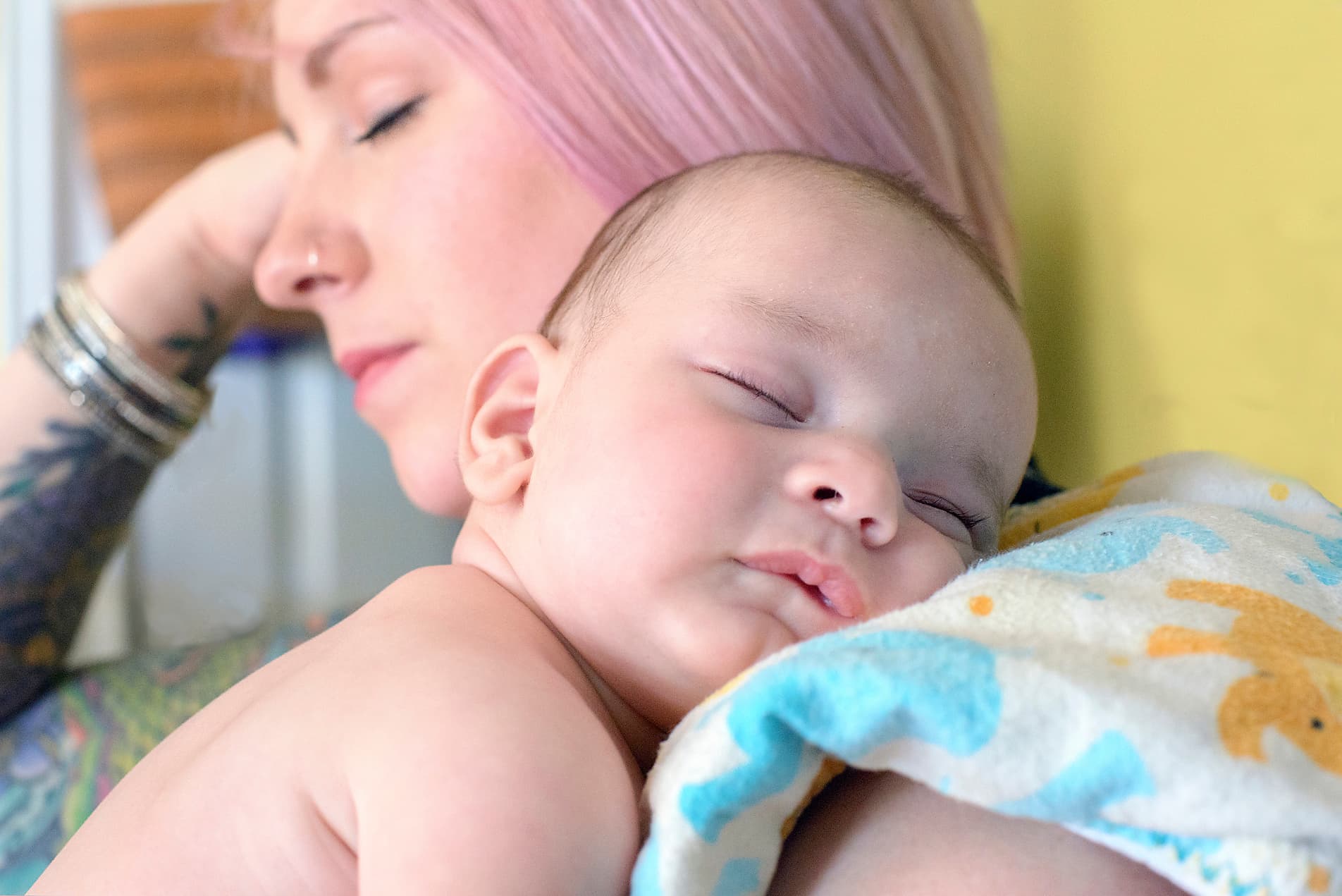
A feverish baby wants to be held. The challenge is that your body runs at around 37°C, which adds heat to their already warm body. Options include:
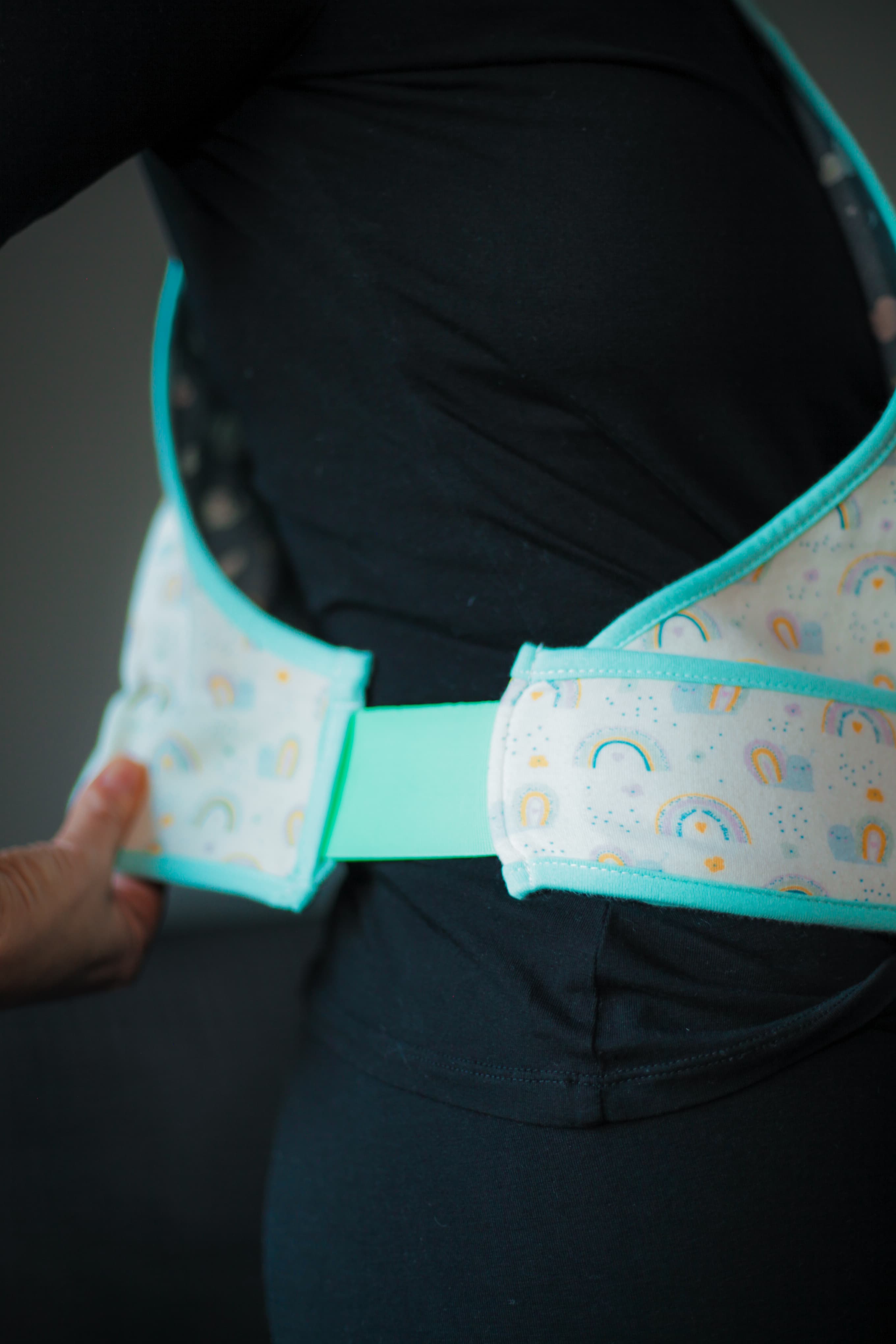
- Use a baby cooling vest - A product like Cool Cuddle sits between you and your baby, providing a gentle cooling layer so you can cuddle without adding to their temperature
- Hold them in a cool room - Minimise clothing for both of you
- Cool flannel on forehead - Lukewarm, not cold, refreshed regularly
Soothing Techniques
- Gentle rocking or swaying
- Quiet, calm environment - Dim lights, reduce noise
- Skin-to-skin contact (in a cool room with minimal clothing)
- Singing or white noise - Whatever normally soothes your baby
Step 6: Monitor and Record
Keep track of:
- Temperature readings every 2-4 hours (more often during high fever)
- Medication times and doses
- Fluid intake - How much and how often
- Wet nappies - Count these over 24 hours
- Behaviour changes - Better or worse? More or less alert?
This record is invaluable if you need to speak to a healthcare professional.
Step 7: Know When to Seek Help
Call 111 If...
- Fever lasts more than 3 days
- Baby is under 6 months with a temperature of 39°C+
- You're unsure whether to see a GP
- Baby is feeding poorly for more than 24 hours
- You feel something isn't right (trust your instincts)
Go to A&E or Call 999 If...
- Baby is under 3 months with any fever (38°C+)
- Rash that doesn't fade (glass test)
- Difficulty breathing
- Baby is unresponsive or very drowsy
- Seizure
After the Fever
Most fevers resolve within 3-5 days. Afterwards:
- Appetite may take a few days to return to normal
- Sleep patterns may be disrupted temporarily
- Follow up with your GP if you have any lingering concerns
- Resume normal routine gradually
You handled it. Your baby is lucky to have a parent who cares enough to be prepared.
Comfort Your Baby During Fever
Cool Cuddle is the UK's only baby cooling vest - hold your baby close without making their fever worse. OEKO-TEX certified organic cotton.
Shop Cool Cuddle