Baby Teething and Fever: Separating Fact from Fiction
The Teething and Fever Debate
"It's just teething" - a phrase every parent has heard (or said). But does teething actually cause fever? The answer is more nuanced than most people think.
What Research Actually Shows
Multiple studies have examined the link between teething and fever:
- Teething can cause a slight rise in temperature (up to about 38°C)
- Teething does NOT cause high fever (above 38°C)
- A temperature above 38°C alongside teething is likely caused by a separate illness
- The timing of teething (6-24 months) coincides with when maternal antibodies decline, making babies more susceptible to infections
This distinction matters because dismissing a fever as "just teething" could mean missing a genuine illness that needs treatment.
When Do Babies Start Teething?
The typical teething timeline:
- 6-10 months: Lower central incisors (bottom front teeth)
- 8-12 months: Upper central incisors (top front teeth)
- 9-13 months: Upper lateral incisors
- 10-16 months: Lower lateral incisors
- 13-19 months: First molars
- 16-23 months: Canines
- 23-33 months: Second molars
Some babies start earlier (from 3 months), and some later. Both are completely normal.
Real Teething Symptoms
Genuine teething symptoms include:
- Drooling - Often excessive, can cause a chin rash
- Gum swelling and tenderness - Visible redness where the tooth is emerging
- Chewing on everything - The pressure helps relieve discomfort
- Irritability - Especially in the days before a tooth appears
- Slight temperature rise - Up to 38°C, not higher
- Disrupted sleep - Pain can worsen at night
- Reduced appetite - Sore gums can make feeding uncomfortable
- Ear pulling - Referred pain from the gums
Symptoms Often Blamed on Teething (But Aren't)
- High fever (above 38°C) - Likely an infection
- Diarrhoea - Not caused by teething; may indicate a stomach bug
- Vomiting - Not a teething symptom
- Rash (other than drool rash on chin) - May indicate illness
- Congestion/runny nose - More likely a cold
How to Soothe a Teething Baby
What Works
- Teething rings - Chill (don't freeze) a teething ring for extra relief
- Cold, damp flannel - Let your baby chew on it
- Teething gels - Sugar-free varieties can temporarily numb gums
- Infant paracetamol - For persistent discomfort (follow dosage guidelines)
- Gentle gum massage - Use a clean finger to rub their gums
- Distraction - Sometimes a change of activity is the best medicine
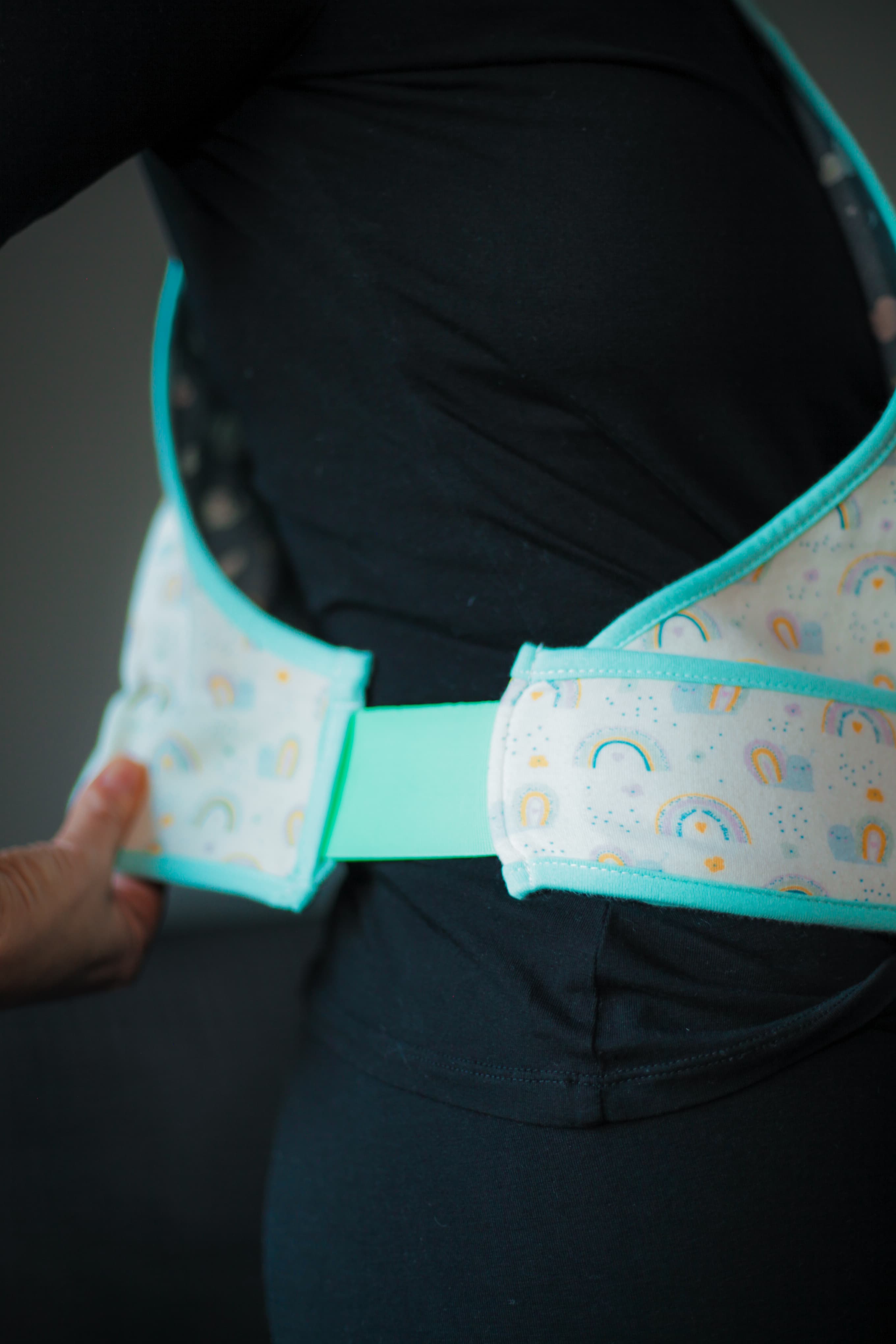
- Extra cuddles - Physical comfort helps manage pain (use a cooling vest if they also have a mild temperature)
What to Avoid
- Frozen teething rings - Too cold and can damage gums
- Amber teething necklaces - No evidence they work, and pose a strangulation/choking risk
- Homeopathic teething tablets - Some have been recalled due to safety concerns
- Rubbing alcohol on gums - Dangerous for babies
- Teething biscuits with sugar - Harmful to emerging teeth
Teething or Illness? A Quick Checklist
More likely teething if:
- Temperature is below 38°C
- Baby is still feeding reasonably well
- Symptoms improve with teething remedies
- You can see/feel a swollen gum
- Baby is chewing more than usual
More likely illness if:
- Temperature is 38°C or above
- Baby is off their feeds significantly
- Symptoms include vomiting, diarrhoea, or rash
- Baby is unusually drowsy or inconsolable
- Symptoms don't respond to teething remedies
When in doubt, treat it as illness and seek medical advice. It's always better to be cautious.
The Comfort Challenge
Whether it's teething or illness, your baby needs comfort. The challenge remains the same - when they have even a slight temperature, traditional cuddling adds your body heat to theirs. A baby cooling vest solves this by letting you hold them close while keeping temperatures in check.
This is particularly useful during the teething months (6-24 months), when mild temperatures can occur regularly alongside the occasional genuine illness. Having a Cool Cuddle vest means you're always prepared to provide comfortable, cooling cuddles whenever your baby needs them.
The Bottom Line
Teething is uncomfortable but not dangerous. The key is recognising when symptoms go beyond normal teething and might indicate something that needs medical attention. Trust your instincts, keep your baby comfortable, and don't hesitate to seek advice if you're unsure.
Comfort Your Baby During Fever
Cool Cuddle is the UK's only baby cooling vest - hold your baby close without making their fever worse. OEKO-TEX certified organic cotton.
Shop Cool Cuddle