Keeping Your Baby Cool in Summer: Essential Tips for UK Parents
Why Babies Struggle in the Heat
Babies are far more vulnerable to heat than adults. Their bodies are less efficient at regulating temperature, they can't tell you they're uncomfortable, and they rely entirely on you to keep them safe. Understanding why helps you act effectively.
How Babies Lose and Gain Heat
- Higher surface area to weight ratio - Babies absorb environmental heat faster
- Immature sweat glands - They can't cool themselves through sweating as effectively
- Higher metabolic rate - Their bodies generate proportionally more heat
- Dependence on caregivers - They can't remove clothing, move to shade, or get a drink independently
Dressing Your Baby for Hot Weather
The golden rule: one more layer than you're comfortable in. In summer, that often means very little.
Temperature-Based Dressing Guide
- Above 26°C: Nappy only, or a single short-sleeved cotton vest
- 22-26°C: Short-sleeved bodysuit or light cotton outfit
- 18-22°C: Long-sleeved bodysuit or light layers
- Below 18°C: Add a cardigan or light jacket on top
Fabric Matters
Choose clothing made from:
- Organic cotton - Breathable, soft, and absorbs moisture
- Muslin - Extremely lightweight and airy
- Bamboo fabric - Naturally temperature-regulating
Avoid synthetic fabrics like polyester, which trap heat and moisture against skin.
Sleeping Safely in Hot Weather
Overheating during sleep is a known risk factor for SIDS, making summer nights a particular concern.
Room Temperature
- Ideal: 16-20°C (The Lullaby Trust recommendation)
- Use a room thermometer - Don't guess
- Open windows on the shady side of the house during the day
- Close curtains/blinds on sun-facing windows from mid-morning
- Use a fan to circulate air (not pointed directly at baby)
Sleeping Bag Guide for Summer
- Above 27°C: No sleeping bag - just a nappy or cotton vest
- 24-27°C: 0.5 tog sleeping bag
- 21-23°C: 1 tog sleeping bag
- Below 21°C: Standard 2.5 tog sleeping bag
Important Safety Notes
- Never cover a pram or pushchair with a blanket or muslin to block sun - this creates a greenhouse effect and temperatures inside can soar
- Never leave a baby in a parked car - Even with windows cracked, temperatures rise dangerously fast
- Don't use ice packs or cold towels directly on skin - These can cause cold burns on delicate baby skin
Feeding in Hot Weather
Babies need extra fluids when it's hot, but the approach depends on age:
Under 6 Months (Breastfed)
- Offer the breast more frequently - Breast milk adapts to provide more water in hot weather
- No need for additional water - Breast milk provides complete hydration
- Watch for feeding cues - Baby may want shorter, more frequent feeds
Under 6 Months (Formula Fed)
- Offer extra feeds - Follow baby's cues
- You can offer small amounts of cooled boiled water between feeds in very hot weather
- Prepare formula with cooled boiled water as normal - don't be tempted to dilute it
Over 6 Months
- Offer water regularly in a sippy cup
- Continue with breast milk or formula as normal
- Offer water-rich foods - Cucumber, watermelon, yoghurt
Signs of Overheating
Watch for these warning signs:
- Hot, red skin - Especially on the chest and back
- Damp or sweaty hair and skin
- Rapid breathing
- Restlessness or irritability
- Reduced wet nappies (sign of dehydration)
- Lethargy or unusually sleepy
Signs of Heat Exhaustion (Seek Medical Help)
- Very hot skin that doesn't cool down
- Excessive drowsiness
- Vomiting
- Floppy or unresponsive
- Fewer than 6 wet nappies in 24 hours
If you suspect heat exhaustion, move baby to a cool place, remove excess clothing, offer fluids, and call 111 or attend A&E.
Outdoor Activities in Summer
Sun Protection
- Stay in the shade between 11am and 3pm
- Use a sun shade on the pushchair (purpose-designed, not a blanket draped over)
- Dress in loose, light-coloured clothing with long sleeves if in sun
- Apply baby-safe sunscreen (SPF 50+) to babies over 6 months
- Use a wide-brimmed sun hat that covers ears and neck
Travel Tips
- Plan journeys for cooler parts of the day (early morning or evening)
- Use car sun shades on windows
- Take regular breaks on long journeys to check baby's temperature
- Bring plenty of fluids and a cool, damp muslin for emergency cooling
Cooling Your Baby Down Safely
When your baby feels too warm, here are safe ways to cool them:
- Move to a cooler room - The simplest and most effective step
- Remove layers - Strip down to a nappy if needed
- Offer fluids - Breast, bottle, or water depending on age
- Use a damp muslin - Gently wipe forehead and body with a lukewarm (not cold) cloth
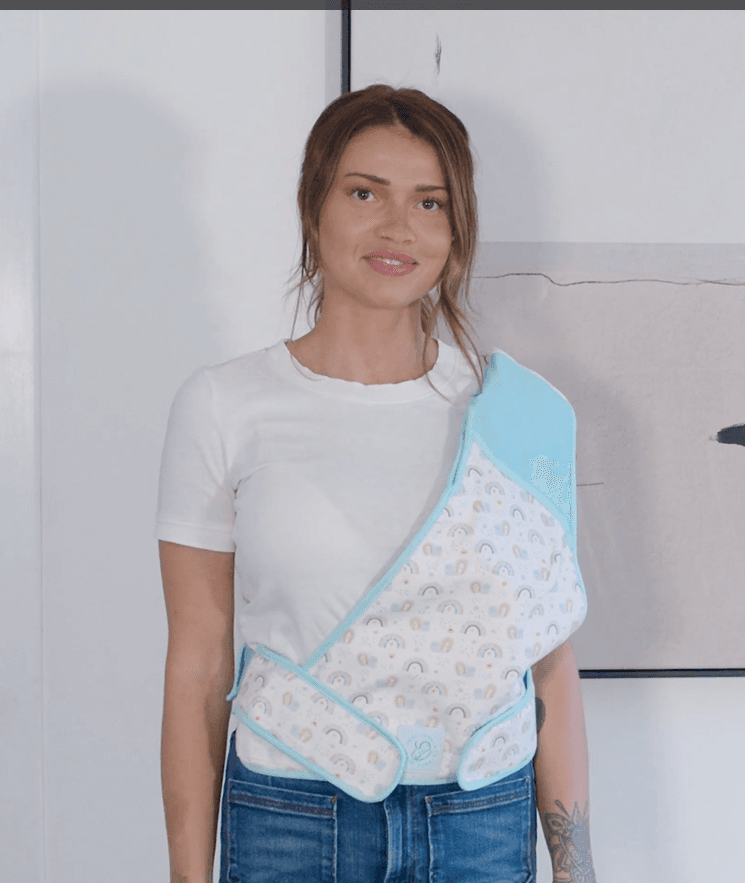
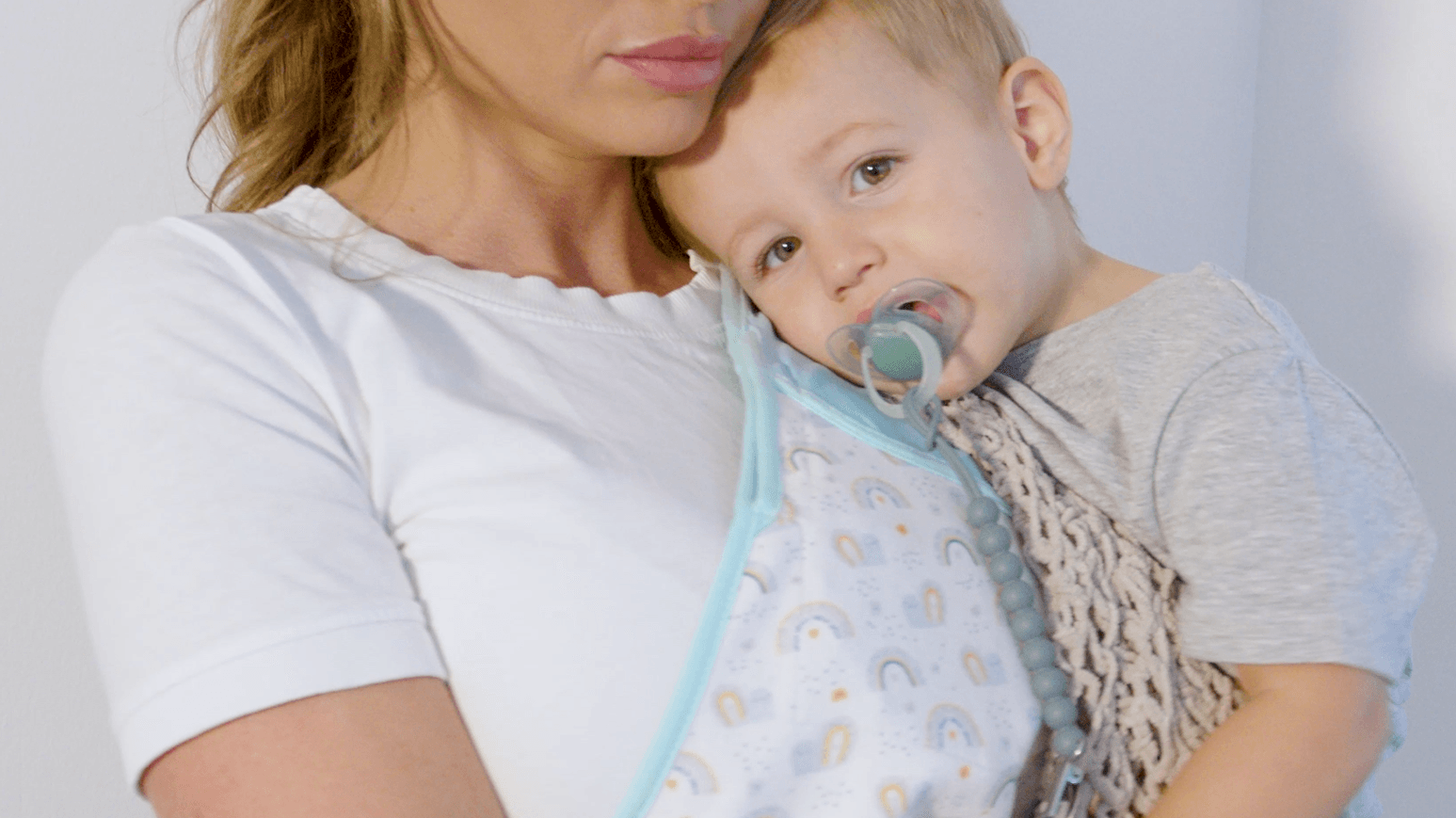
- Use a baby cooling vest - Products like Cool Cuddle provide sustained, gentle cooling during cuddles without the mess of damp cloths
- Tepid bath - A lukewarm bath can help bring temperature down gently
What NOT to Do
- Don't use cold water - This causes blood vessels to constrict, actually trapping heat inside
- Don't use ice or frozen items on skin
- Don't strip baby completely in air conditioning - this can cause too-rapid cooling
- Don't panic - Most cases of mild overheating resolve quickly with simple measures
Preparing for UK Heatwaves
British summers are increasingly unpredictable. Be prepared:
- Stock up on lightweight cotton clothing before summer
- Have appropriate tog sleeping bags ready
- Invest in a reliable room thermometer
- Keep a baby cooling solution at home for fever episodes or extreme heat
- Know the signs of overheating and dehydration
- Save NHS 111 in your phone for non-emergency advice
Summer with a baby can be wonderful - picnics, paddling pools, and park days. With a bit of preparation and awareness, you can enjoy it all while keeping your little one safe and comfortable.
Comfort Your Baby During Fever
Cool Cuddle is the UK's only baby cooling vest - hold your baby close without making their fever worse. OEKO-TEX certified organic cotton.
Shop Cool Cuddle