How to Cuddle Your Sick Baby Without Making Their Fever Worse
The Cuddling Dilemma Every Parent Faces
Your baby is ill, flushed, and crying. Every instinct tells you to pick them up, hold them close, and make it better. But here's the problem that many parents discover the hard way: your body heat can actually make their fever worse.
The average adult body temperature is around 37°C. When your baby already has a fever of 38-39°C, pressing them against your warm body adds extra heat that their little body is already struggling to regulate. It's a cruel irony - the thing that comforts them most can work against their recovery.
Understanding Heat Transfer
When you hold your baby against your body, heat transfers through:
- Direct contact - Your chest and arms warm their skin
- Trapped air - The space between you holds warm air
- Clothing layers - Each layer adds insulation, trapping more heat
For a healthy baby, this warmth is comforting and beneficial. For a feverish baby, it's an additional thermal load their body has to manage.
Techniques for Cooler Comfort
1. Skin-to-Skin with a Cooling Layer
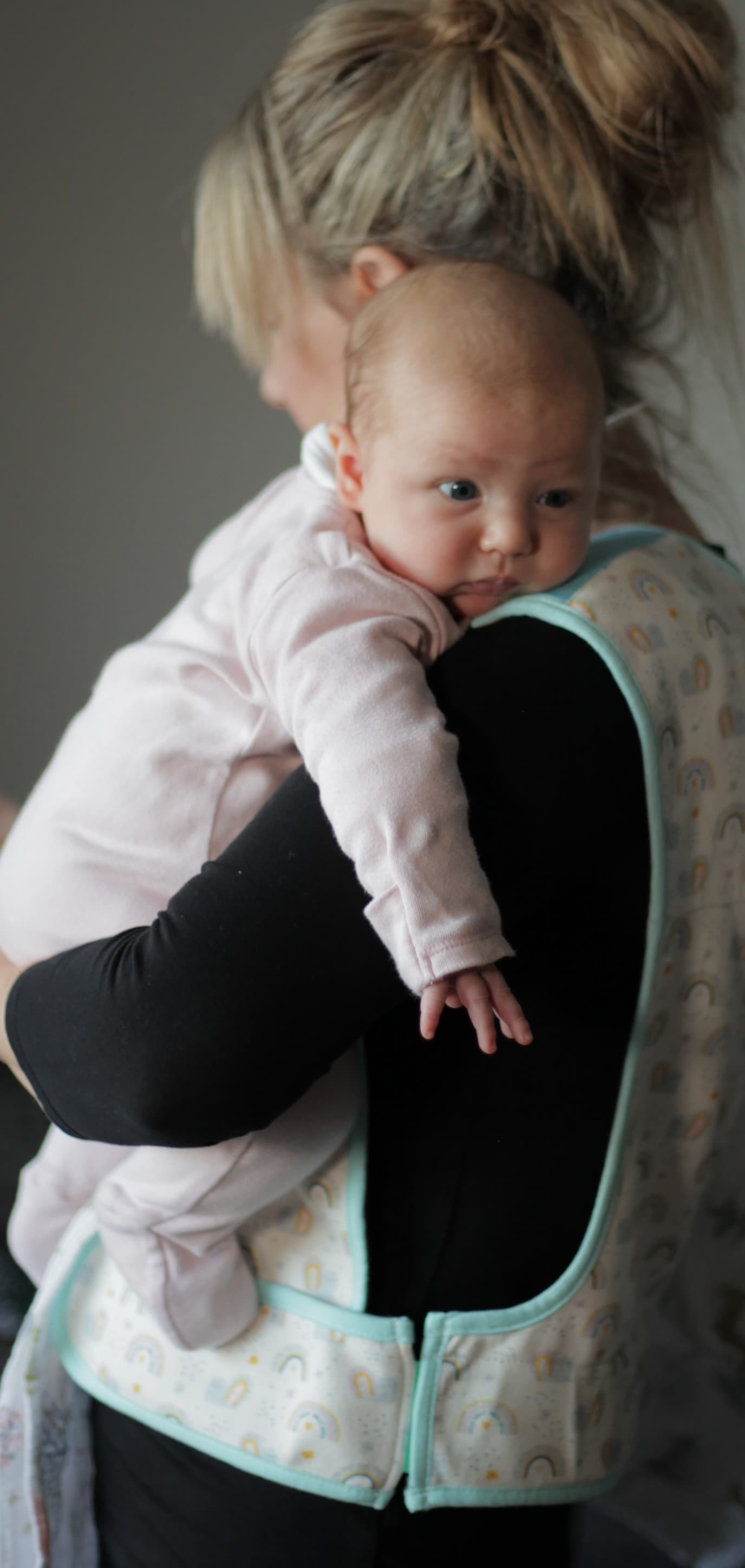
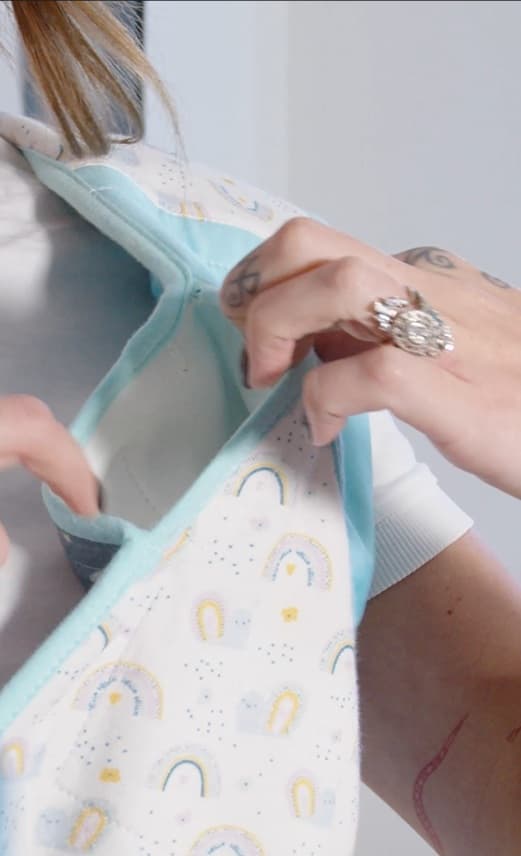
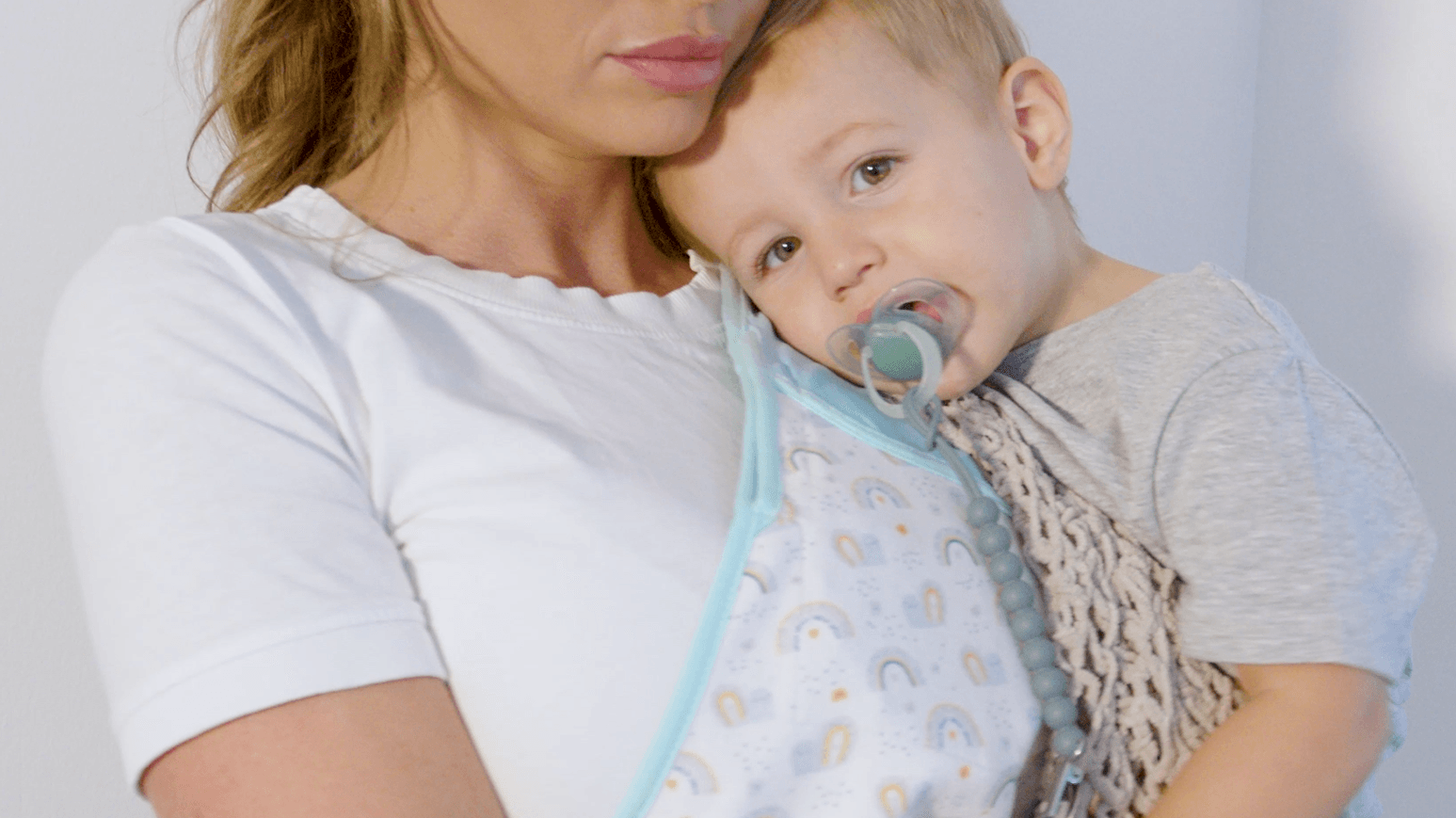
Using a baby cooling vest like Cool Cuddle creates a temperature barrier between you and your baby. The cooling gel pack absorbs excess heat while you maintain full physical contact. Your baby gets the comfort of being held, and their body gets help managing the fever.
2. The Cool Room Method
Keep your baby's room between 18-20°C. Hold them in the coolest room of your house, wearing minimal clothing (a vest or nappy is fine). This helps heat dissipate naturally while you provide comfort.
3. Elevated Hold Position
Instead of holding your baby flat against your chest, try holding them slightly away from your body in a seated position on your lap. This allows air to circulate between you while maintaining reassuring physical contact.
4. Rotating Arms
If you don't have a cooling vest, switch which arm holds the baby every 15-20 minutes. This prevents heat building up in one area and gives each side a chance to cool.
5. Cool Cloth Assist
Place a damp (not cold), wrung-out muslin between you and your baby. It provides a mild cooling effect, though it will warm up and need refreshing regularly. This is the traditional approach, but it can be messy and uncomfortable for both of you.
What NOT to Do
When trying to cool a feverish baby:
- Don't use cold water or ice - This causes shivering, which actually raises core temperature
- Don't strip them completely naked - A single layer helps regulate temperature better than nothing
- Don't use electric fans directly on them - This can cool too rapidly and cause distress
- Don't give cold baths - Lukewarm is the maximum recommended
- Don't ignore their need for comfort - Emotional wellbeing aids recovery
The Science of Comfort
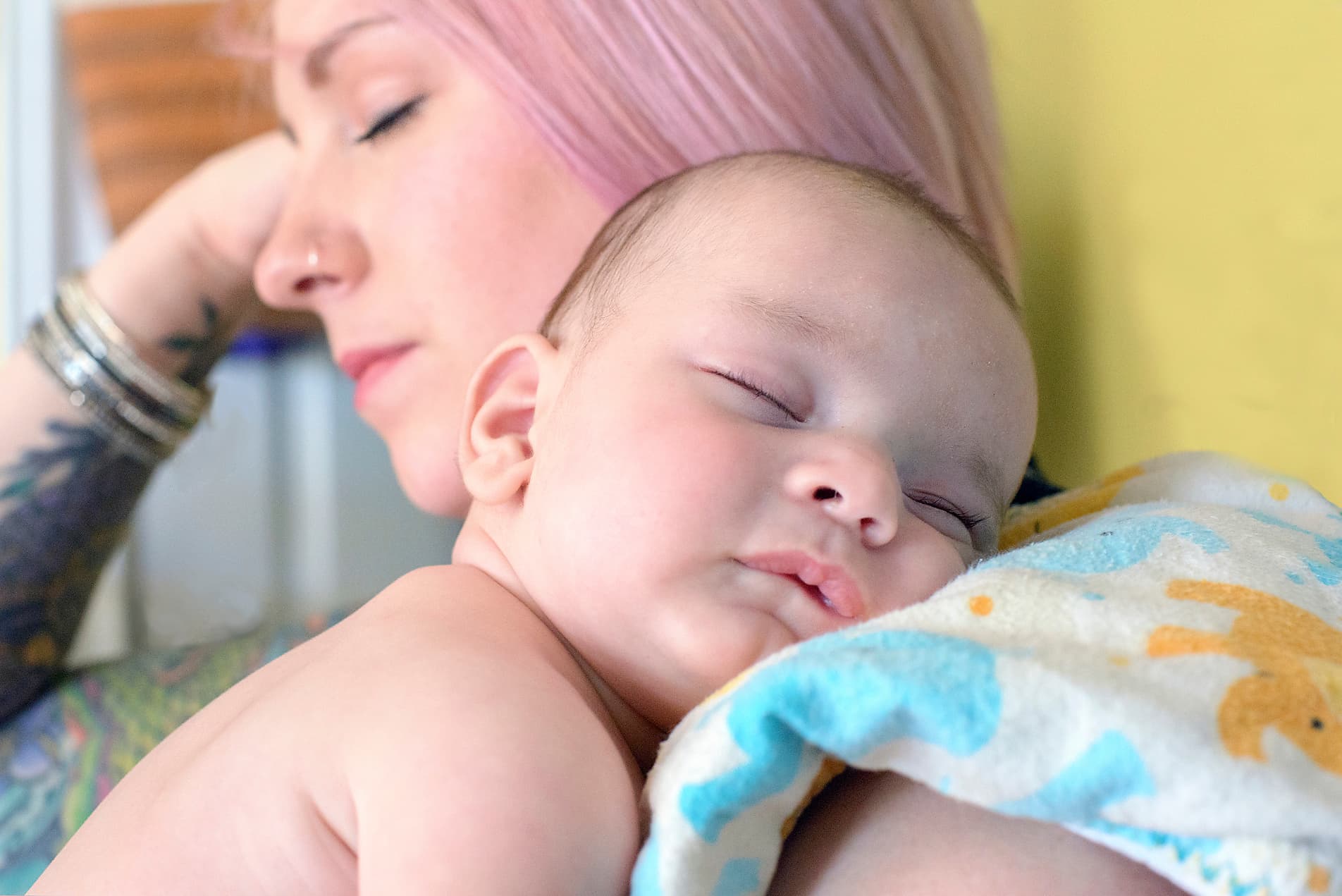
Studies consistently show that physical contact with a caregiver:
- Reduces cortisol (stress hormone) levels in babies
- Stabilises heart rate and breathing
- Promotes better sleep during illness
- Supports immune function through reduced stress
- Provides pain relief through the release of oxytocin
This is why simply putting your baby down in a cool cot isn't the complete answer. Yes, it manages temperature, but it removes the comfort element that actively helps them recover.
The Best of Both Worlds
The ideal solution combines temperature management with physical comfort. This is exactly what baby cooling vests were designed for - they're not just a convenience, they're a solution to a genuine medical dilemma.
With a Cool Cuddle vest, you can:
- Hold your baby as long as they need
- Actively help reduce their temperature
- Avoid the mess of damp cloths
- Maintain cooling for up to 2 hours per gel pack
- Swap gel packs without putting your baby down
When Your Baby Won't Settle
Some feverish babies are inconsolable, and that's incredibly stressful. If you've tried everything:
- Check temperature and give appropriate medication if needed
- Offer fluids - Dehydration makes everything worse
- Dim the lights and reduce stimulation
- Try gentle motion - Rocking or walking can soothe
- Use a cool cuddle - The combination of being held and gentle cooling often does the trick
- Trust your instincts - If something feels wrong, contact your GP or call 111
Remember, this phase passes. Babies recover remarkably quickly, and your presence and comfort are genuinely helping them heal, even when it doesn't feel like it.
Comfort Your Baby During Fever
Cool Cuddle is the UK's only baby cooling vest - hold your baby close without making their fever worse. OEKO-TEX certified organic cotton.
Shop Cool Cuddle