Baby Fever at Night: How to Handle It When You're Exhausted
Why Fevers Often Peak at Night
It's not your imagination - fevers genuinely tend to worsen after dark. There's a biological reason for this.
Your baby's body temperature naturally fluctuates throughout the day, typically reaching its lowest point in the early morning and its highest in the late afternoon and evening. When illness is added to this natural rhythm, evenings and nights often see the highest temperatures.
This means the time when you're most tired is often when your baby needs you most.
Before Bed: Prepare for the Night
When your baby has been unwell during the day, preparation before bedtime can make the night much more manageable.
Your Nightstand Essentials
Keep these within arm's reach:
- Digital thermometer - Quick-read types are best at night
- Infant paracetamol and/or ibuprofen with dosing syringe
- A note of the last dose - Time and which medicine
- Water or prepared bottle for night feeds
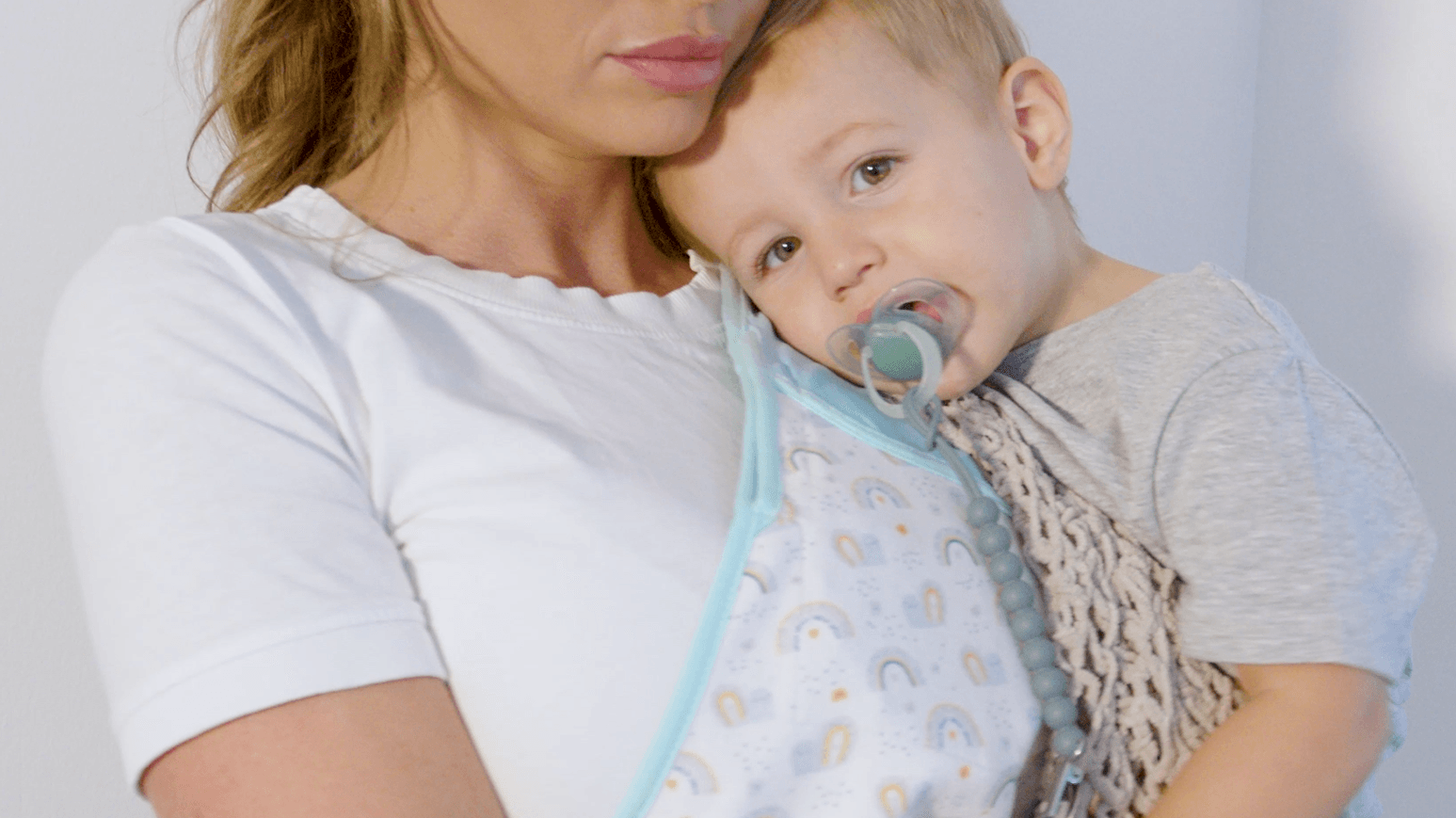
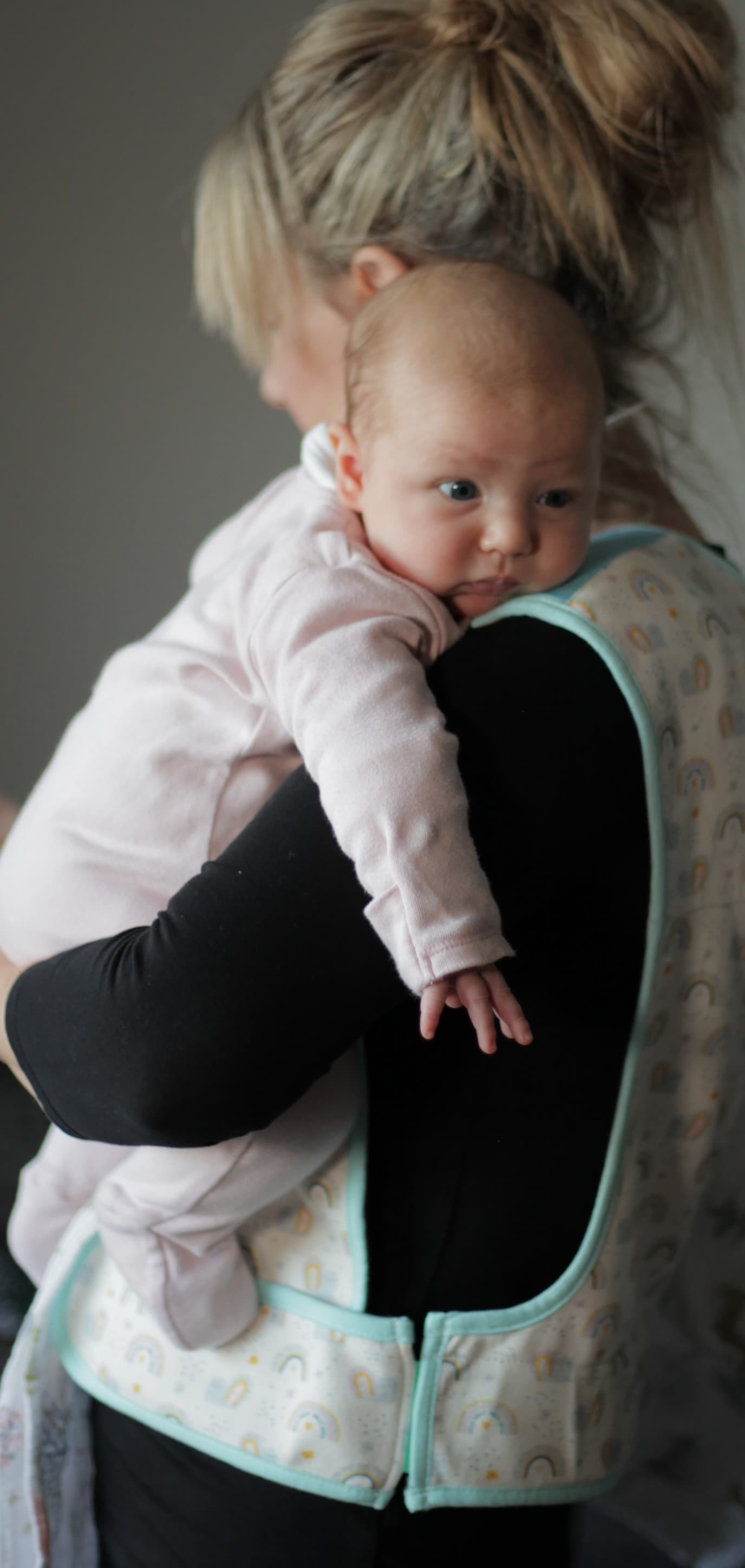
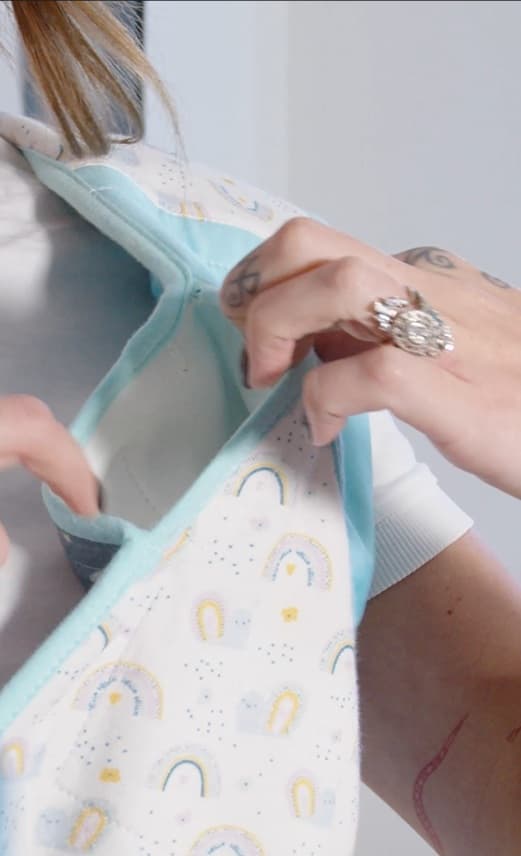
- A baby cooling vest like Cool Cuddle with gel pack ready
- Clean muslin cloths
- Your phone (charged) with NHS 111 saved
Room Setup
- Temperature: Keep at 18°C (use a room thermometer with a backlit display)
- Lighting: Use a dim night light so you can check on baby without fully waking them
- Clothing: Dress baby lightly - a cotton vest and light sleeping bag at most
- Your clothing: Wear something comfortable that you can easily hold baby against
During the Night: What to Do
If Baby Wakes Crying
- Check their temperature first - Don't assume; measure
- Assess their behaviour - Are they consolable? Making eye contact? Feeding?
- Check clothing and bedding - Are they too hot? Sweaty? Remove layers if needed
- Offer a feed - Even a small amount helps with hydration
- Give medicine if due - Check your notes for the last dose time
- Comfort them - This is when a cooling vest makes a real difference; you can hold them without adding your body heat to theirs
Temperature Decision Points at Night
Below 38°C (under arm):
- Monitor but don't panic
- Offer comfort and fluids
- Medicine only if baby seems uncomfortable
38°C - 39°C:
- Give paracetamol or ibuprofen if due
- Remove excess clothing
- Offer fluids
- Use cooling measures (cool vest, lukewarm cloth)
- Monitor every 1-2 hours
39°C or above:
- Give medicine immediately if due
- Strip down to nappy/vest
- Contact 111 for advice if baby is under 6 months
- Watch closely for warning signs (see below)
- Consider waking your partner for support
Red Flags That Mean "Go to A&E Now"
Regardless of the time, go to A&E or call 999 if:
- Baby is under 3 months with temperature of 38°C+
- Non-blanching rash (doesn't fade when pressed with a glass)
- Baby is floppy, unresponsive, or unusually difficult to wake
- Blue or grey skin, especially around lips
- Difficulty breathing - Ribs pulling in, nostrils flaring, grunting
- Seizure or fit
- Baby is inconsolable for an extended period and nothing helps
Trust your instincts. If something feels wrong, it's always better to get checked and be reassured than to wait.
Getting Through the Night
If You're Alone
- Set gentle phone alarms every 2-3 hours to check temperature
- Keep everything accessible - Don't be rummaging in cupboards at 3am
- Don't be afraid to call 111 - They're available 24 hours
- Text or call a friend or family member if you need reassurance
- Remember: this will pass - It feels endless at 3am, but babies recover fast
If You Have a Partner
- Take shifts - One sleeps while the other monitors (even 2-3 hours of unbroken sleep makes a difference)
- Share the medication log - Put it somewhere visible, update it clearly
- Support each other - Stress is natural; don't take frustration out on each other
- Both know the emergency signs - Brief each other on what to watch for
The Role of Comfort at Night
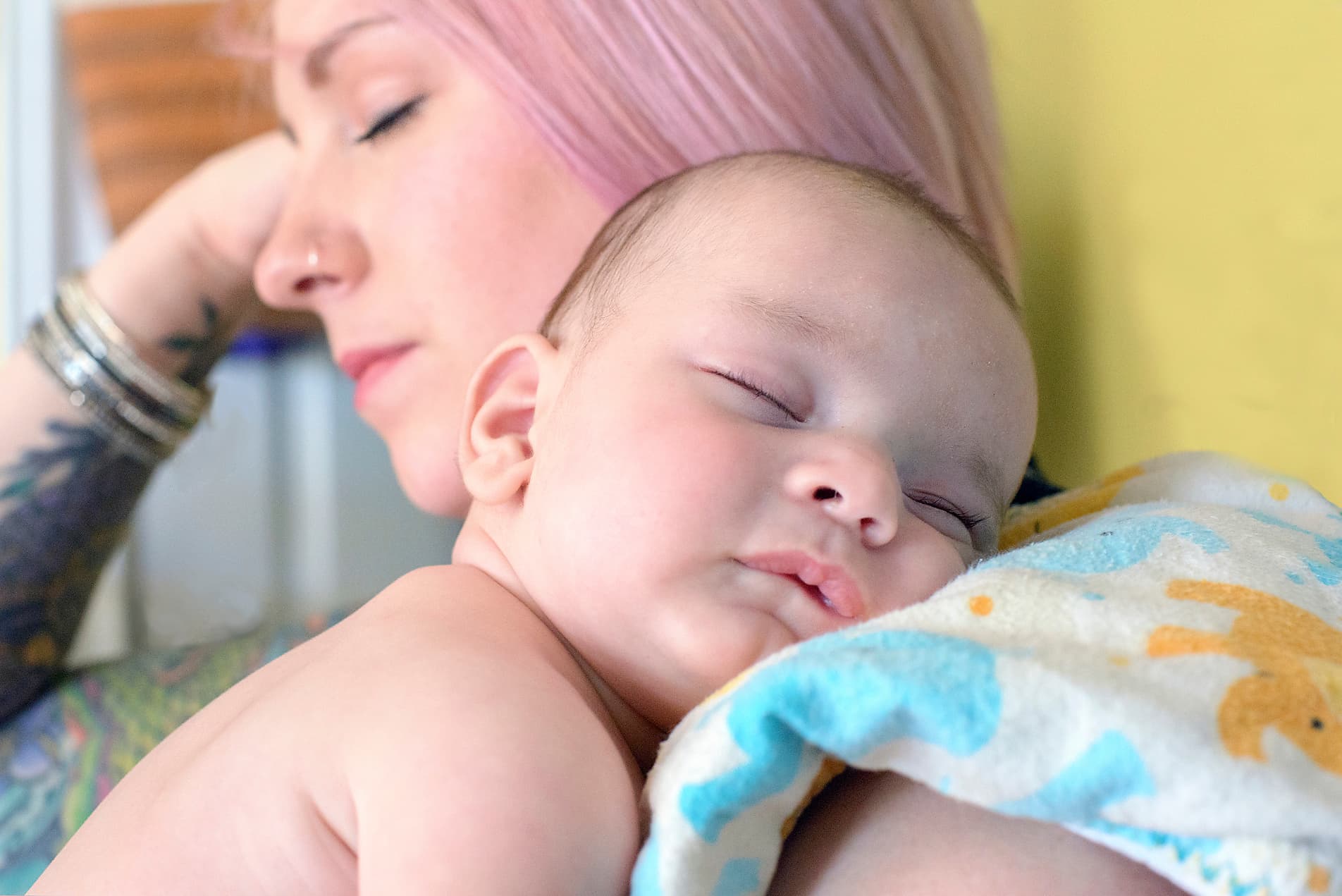
Research consistently shows that physical comfort aids recovery. When your baby is feverish and distressed at night, being held is one of the most powerful things you can offer.
The problem is your body heat. At 37°C, cuddling a feverish baby adds warmth they don't need. This is particularly frustrating at night because:
- Baby often won't settle in the cot and only wants to be held
- You might fall asleep holding them, which adds sustained body heat
- Wet flannels are impractical and uncomfortable for both of you at 3am
A baby cooling vest addresses exactly this scenario. The gel pack sits between you and your baby, staying cool for up to 2 hours. You can settle into a chair, hold your baby close, and the gentle cooling works while you both rest. Having a spare gel pack in the fridge means you can swap without putting baby down.
The Morning After
When dawn breaks and the fever has eased (or is at least managed):
- Note the night's events - Temperatures, medicine given, feeds, any concerns
- Call your GP if needed - Many offer same-day appointments for babies
- Try to rest when baby does - You need recovery too
- Accept help - If someone offers to watch baby while you nap, say yes
- Don't feel guilty about screen time or routine going out the window - Survival mode is perfectly valid
Building Your Confidence
Every parent who has navigated a night of baby fever comes out the other side more capable and more confident. You learn:
- How your baby communicates discomfort
- What soothes them specifically
- How to function on minimal sleep (not ideal, but possible)
- When to worry and when to wait
These are skills that serve you throughout parenthood. The first fever night is the hardest. After that, you know what to do.
Comfort Your Baby During Fever
Cool Cuddle is the UK's only baby cooling vest - hold your baby close without making their fever worse. OEKO-TEX certified organic cotton.
Shop Cool Cuddle