First-Time Parent's Guide to Baby Illness: What Every New Mum and Dad Should Know
Your Baby's First Illness
Nothing prepares you for the first time your baby gets ill. Even if you've read every book and attended every antenatal class, the reality of a feverish, crying baby at 2am hits differently. Take a breath - you've got this, and this guide will help.
What's Normal (Even Though It Doesn't Feel Like It)
Babies typically get 6 to 8 colds in their first year alone. This is completely normal and actually helps build their immune system. Other common illnesses include:
- Colds and coughs - The most frequent illness, lasting 7-10 days
- Ear infections - Common after colds, causing irritability and fever
- Stomach bugs - Vomiting and diarrhoea, usually resolving in 48-72 hours
- Hand, foot and mouth - Mild fever and small blisters, very common in babies
- Bronchiolitis - Common in winter, causes wheezing and difficulty feeding
- Roseola - High fever followed by a rash, most common between 6-24 months
Your Baby Health Kit
Every parent should have these essentials ready before illness strikes:
Medicine Cabinet Must-Haves
- Digital thermometer - Ear or forehead type for quick readings
- Infant paracetamol (Calpol) - For babies over 2 months / 4kg
- Infant ibuprofen (Nurofen for Children) - For babies over 3 months / 5kg
- Saline nasal drops - For clearing blocked noses
- Oral rehydration sachets (Dioralyte) - For dehydration from vomiting/diarrhoea
- Vapour rub suitable for babies - For congestion (check age guidelines)
- Measuring syringe - More accurate than the spoon
Comfort Essentials
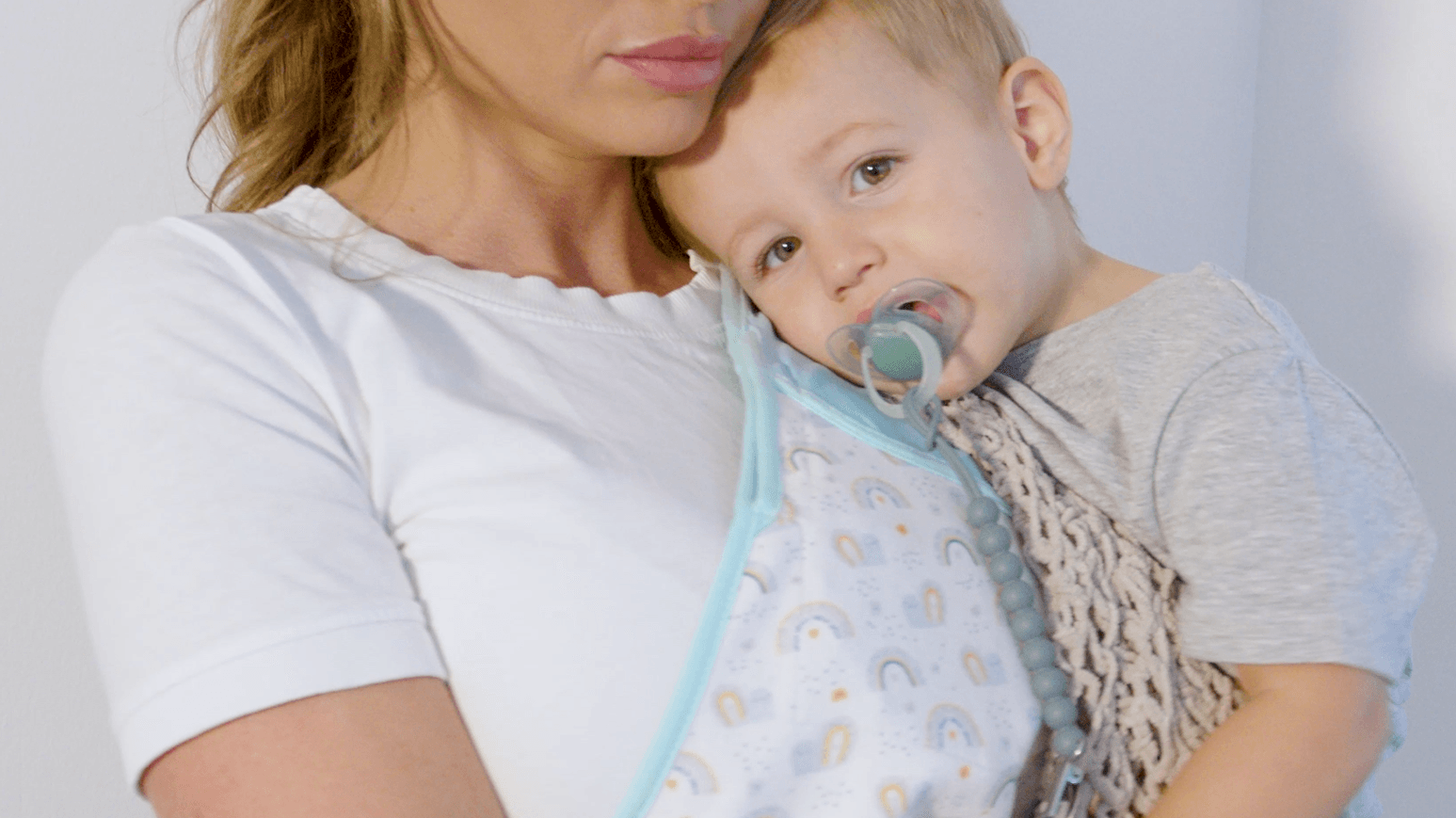
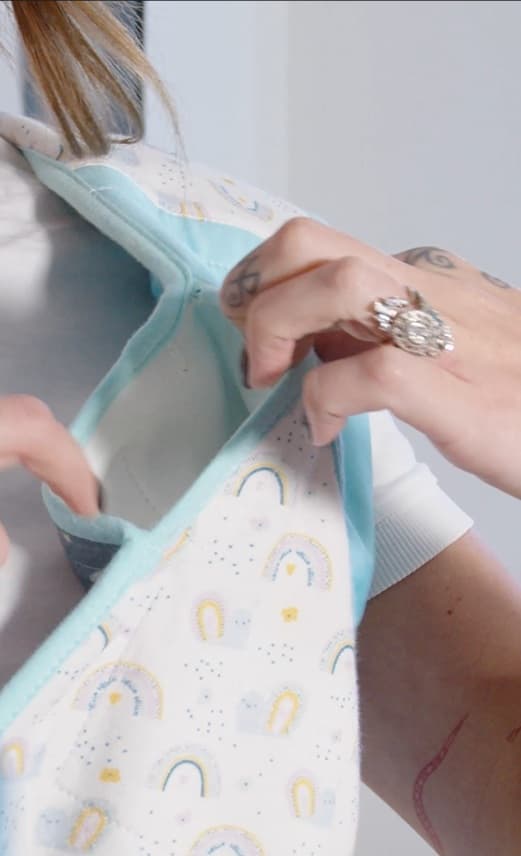
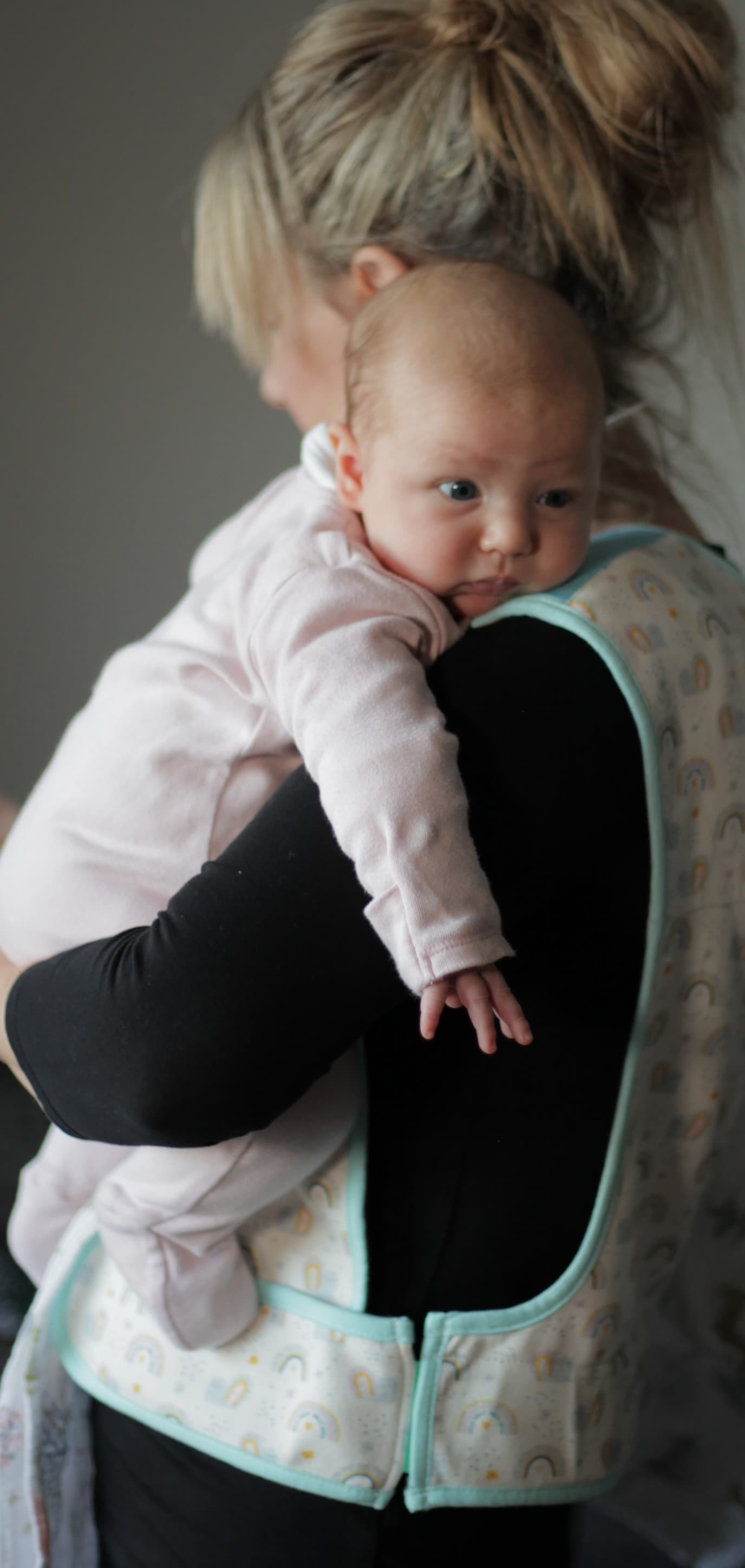
- A baby cooling vest - For fever cuddles without overheating
- Spare muslins - You'll go through a lot when baby is ill
- Nasal aspirator - For clearing stuffy noses
- Humidifier - Adds moisture to dry air, especially helpful for coughs
- Comfortable change of clothes - For both of you (sick babies are messy)
Recognising the Warning Signs
Green Light - Manage at Home
Your baby likely has a common illness if they:
- Have a mild fever (under 38.5°C for babies over 3 months)
- Are still feeding (even if less than usual)
- Have wet nappies (at least 6 in 24 hours)
- Are responsive and make eye contact
- Have normal skin colour
- Are irritable but consolable
Amber Light - Contact Your GP or Call 111
Seek advice if your baby:
- Has a fever of 38°C+ if under 3 months, or 39°C+ if 3-6 months
- Has been feeding less than half their normal amount
- Has fewer wet nappies than usual
- Has a persistent cough lasting more than 3 weeks
- Is more irritable than usual and difficult to settle
- Has a fever lasting more than 3 days
Red Light - Seek Emergency Help (999/A&E)
Call 999 or go to A&E if your baby:
- Is under 3 months with a temperature of 38°C or above
- Has a rash that doesn't fade when you press a glass against it
- Has blue or grey skin, lips, or tongue
- Is floppy or unresponsive
- Has a weak, high-pitched, or continuous cry
- Has difficulty breathing - look for ribs pulling in, flaring nostrils, or grunting
- Has a bulging fontanelle (the soft spot on their head)
- Has a seizure or fit
- Is not waking up or is unusually difficult to wake
Caring for Your Sick Baby: Hour by Hour
During the Day
- Monitor temperature every 2-4 hours (more frequently during high fever)
- Offer feeds frequently - Little and often works best
- Keep them comfortable - Light clothing, cool room (18-20°C)
- Give medication as needed, noting times and doses
- Provide comfort - Cuddles with a cooling vest if feverish
- Watch for changes - Better or worse? Note these for your GP
Through the Night
- Check before bed - Temperature, last feed time, last medication dose
- Keep monitoring supplies nearby - Thermometer, medicine, syringe
- Set gentle alarms if needed to check temperature during high fever
- Keep the room cool - 18°C is ideal
- Respond promptly to crying - They need reassurance
- Don't panic about broken sleep - It's temporary
The Emotional Side
For Mums
Your hormones are already working overtime, and a sick baby can trigger intense anxiety. This is completely normal. Remember:
- You are not a bad parent because your baby got ill
- Trust your instincts - If something feels wrong, get it checked
- Accept help - Now is the time to let others step in
- It will pass - Babies are remarkably resilient
For Dads and Partners
You might feel helpless, especially if your baby only wants mum. Here's how to help:
- Handle the logistics - Medicine, laundry, food preparation
- Take night shifts - Even one unbroken stretch of sleep makes a difference
- Research and reassure - Being the calm, informed partner is invaluable
- Look after yourself too - You can't pour from an empty cup
Building Resilience
After the first illness, you'll notice something: you're more capable than you thought. Each illness episode teaches you:
- How to read your baby's cues better
- When to worry and when to wait
- What works to comfort your specific baby
- How to manage on less sleep (not ideal, but manageable)
Essential Resources for UK Parents
- NHS 111 - Call for non-emergency medical advice, 24/7
- NHS website (nhs.uk) - Reliable health information
- Your Health Visitor - Can be contacted during working hours
- GP surgery - Many offer same-day appointments for babies
- The Lullaby Trust - For safe sleep advice and support
You're doing brilliantly. The fact that you're reading this shows how much you care about getting it right for your little one.
Comfort Your Baby During Fever
Cool Cuddle is the UK's only baby cooling vest - hold your baby close without making their fever worse. OEKO-TEX certified organic cotton.
Shop Cool Cuddle